May 2026
How to authenticate a vintage band tee: tags, prints, and tells
Learn how to authenticate a vintage band tee using tag brands, print technique, fabric weight, and copyright tells. A practical guide to original concert tees.

A fan at a thrift shop in Austin holds up a Black Sabbath tee, and the question arrives fast: is this from an actual 1978 tour, or did it roll off a press last Tuesday? That question is what knowing how to authenticate vintage band tee finds is all about, and the answer lives in four physical details any buyer can learn to read without special equipment: the tag, the print, the fabric weight, and a few lines of small text below the graphic.
How to authenticate vintage band tee: what separates originals from reproductions
Original concert tees were produced fast and cheap for touring infrastructure, not archived as collectibles. Knowing how to authenticate vintage band tee purchases starts with that fact: these shirts carry the physical marks of genuine utility, and reproductions, however polished, consistently fail to reproduce all of those marks at once. A systematic check across four areas, tag, print, fabric, and copyright text, gives you a working verdict on any piece.
The resale market for original concert tees has grown sharply over the past decade. New York Times style coverage has documented how rare tour tees now fetch hundreds to several thousand dollars at resale, which means the incentive to produce convincing copies has followed the money. A 1982 original tour shirt from a major act can sell for over $4,000; the same design printed on a modern Gildan blank costs roughly twenty dollars. Both look similar in a low-resolution photograph, which is where most problematic transactions begin.
These same principles of physical authentication apply to dating a vintage leather jacket by its labels and hardware, and to reading era markers on vintage outerwear.
Reading the tag: the first step in how to authenticate vintage band tee
The tag is the most reliable physical document inside a vintage tee. Original licensed merch was printed on blanks from a short, consistent list of suppliers. Knowing these labels, and what each looked like in each decade, is foundational to how to authenticate vintage band tee finds efficiently without a specialist background.
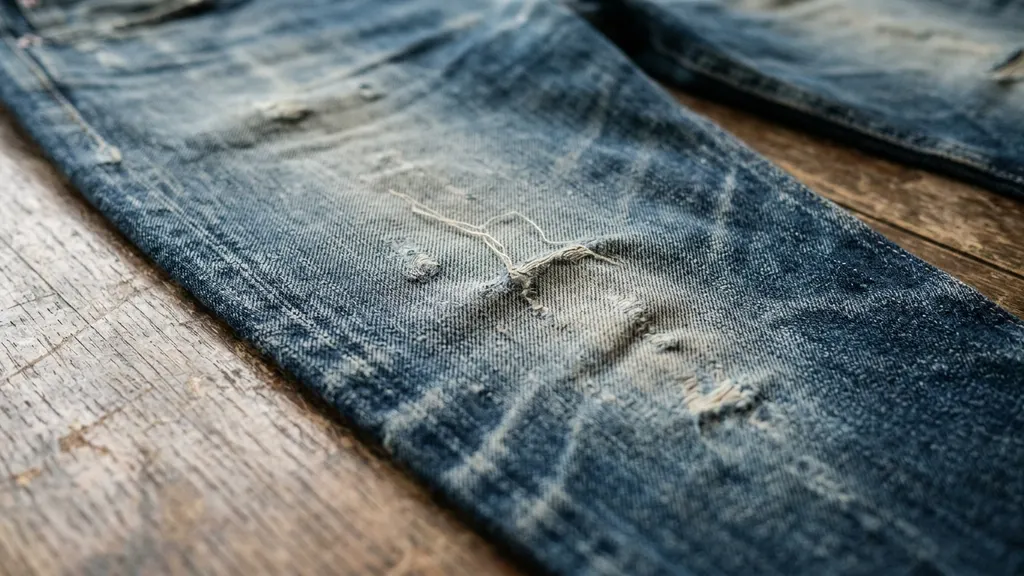
Screen Stars, then a Fruit of the Loom brand, used a distinctive yellow-and-black neck label through most of the 1980s and shifted to a two-color design after 1989. Hanes labels changed their trademark text and logo multiple times; the Vintage Fashion Guild label resource guide catalogs these changes with era-specific reference photographs, making it one of the most practical free tools for buyers. Stedman, a Pennsylvania-based supplier, outfitted a large share of early 1980s official merch with a clean blue-and-white label. Delta Pro-Weight appears on late-1980s and 1990s tees.
A label from Gildan, Bella+Canvas, or American Apparel on a shirt presented as 1980s merch is an immediate red flag. RN numbers (Registered Numbers) on US garments can narrow a date range. These six-digit FTC identifiers can be cross-referenced to a manufacturer and rough production era, and an RN number inconsistent with the tag brand is a material discrepancy. For reading the size markings that accompany these tags, the vintage clothing size conversion guide provides useful reference.
| Feature | Authentic vintage | Modern reproduction |
|---|---|---|
| Blank weight | 200-220gsm, 100% cotton | 150-180gsm, may contain poly blend |
| Label brand | Screen Stars, Hanes, Stedman, Delta | Gildan, Bella+Canvas, American Apparel |
| Sleeve hem stitch | Single-needle lockstitch | Double-needle (post-1992 standard) |
| Print edge | Feathered, settled into weave | Crisp, film layer detectable by touch |
| Copyright line | Names merch company and year | Generic or absent |
| Country of origin | USA (most pre-1994 tours) | Honduras, Bangladesh, Central America |
How to authenticate vintage band tee by examining the print
Screen printing in the 1970s and 1980s used heavier ink deposits than modern processes. Understanding how to authenticate vintage band tee graphics requires knowing how those inks behave after decades of washing and wear. On an original concert tee, the ink has settled into the weave, with feathered edges where color blocks meet undyed cotton. Under a 10x loupe, individual fibers break through the ink layer at the print margins, creating a soft, integrated look characteristic of hand-pulled screen printing over time.
Modern reproduction prints reveal themselves differently. Heat transfers leave a slight film at the edges that lifts when flexed. Direct-to-garment (DTG) printing produces a dot matrix pattern under magnification, similar in structure to a newspaper photograph, rather than the solid ink blocks of a hand-pulled screen. Discharge printing, used in some higher-end reproductions, removes dye from the fabric and achieves a softer hand feel, but the resulting print has no ink above the fabric surface, which is not consistent with 1970s-1980s screen printing methods.
Cracking is the most commonly misread authentication tell. On a genuinely aged print, cracks follow the natural flex lines of the garment, radiating unevenly from high-movement zones outward. Artificially distressed prints apply cracking uniformly across the graphic face, often in a grid pattern that organic wear does not produce. Smithsonian Magazine arts and culture coverage has documented how rock music memorabilia authentication has become a specialist field precisely because of this kind of surface mimicry.
How to authenticate vintage band tee: fabric weight and construction
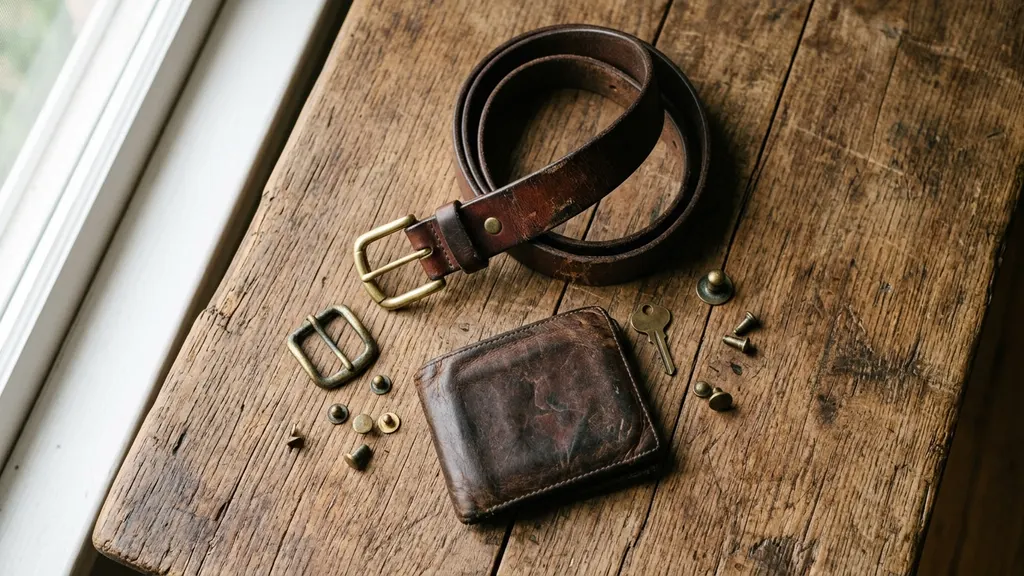
Blank shirt weight and construction require handling the piece rather than looking at it. Fabric examination is the third pillar of how to authenticate vintage band tee pieces accurately. An authentic 1980s concert tee was typically cut from 100% cotton single-jersey knit weighing 200-220gsm. That weight translates to a particular hand feel, substantial without being stiff, and a drape that modern 150gsm blanks do not replicate. Hold the shirt at the shoulder seam and let it hang freely. A heavy original falls with authority. A lightweight reproduction floats or billows.
Construction markers to examine: sleeve hem stitching (original industry practice through the 1980s used single-needle lockstitch on sleeve hems and body side seams); collar ribbing (1x1 rib without interior seam tape is typical of pre-1990 production); tubular versus side-seamed construction (some 1970s tees used tubular knit bodies with no side seams, while most 1980s tees transitioned to side-seamed construction); and fiber content (100% cotton is expected on pre-1990 concert tees, with any polyester content consistent with post-1990 production).
Vogue fashion coverage of the vintage resale market has noted that construction consistency adds materially to provenance confidence for buyers operating without physical access to a piece. A shirt with single-needle stitching on a confirmed period-appropriate tag, combined with correct fabric weight, creates a coherent physical story that reproductions rarely replicate across all variables at once.
Reproduction tells: what mass-market reprints get wrong
The reproduction market splits into two categories. Licensed reissues produced by the original band or estate are not fakes; they are modern garments on modern blanks, typically carrying a contemporary copyright date. Bootleg and tribute tees, produced without authorization, range from crude copies to sophisticated forgeries.
Common reproduction tells: crisp, unfeathered print edges that look freshly applied; label brands from post-1995 suppliers on tees claimed to be from the 1980s; copyright lines that name no licensing entity; synthetic fiber content in any proportion; and country of manufacture inconsistent with the claimed era. 'Made in Honduras' or 'Made in Bangladesh' on a tee presented as pre-1994 merch is a direct flag, as significant offshore apparel production did not begin until after NAFTA and related trade agreements took effect.
Harper's Bazaar fashion coverage has noted that the surge in vintage-inspired reproduction clothing has made label literacy more important than at any previous point in secondary market history.
Knowing how to authenticate vintage band tee purchases also means recognizing where fakes concentrate. Online marketplaces account for the majority of problematic transactions because photographs cannot convey weight, stitching detail, or tactile print quality. The Met Costume Institute textile collections provide useful comparative reference for understanding how cotton fabric characteristics change across decades of storage, worth consulting for high-stakes acquisitions.
For buyers sourcing remotely, ask for: a photograph of the neck label under natural light with a ruler for scale, a close-up of the print edge at 2-3x zoom, a weight measurement if the seller has a postal scale, and confirmation of the RN number if visible. Sellers who specialize in verified vintage, similar to the documentation approach for authenticating a vintage trench coat by labels and era tells, typically disclose condition and provenance details proactively.
Frequently asked questions
How can I tell if a band tee is genuinely vintage?
Knowing how to authenticate vintage band tee purchases means checking four things in sequence: the manufacturer tag brand, the screen print technique, the blank shirt weight, and the copyright text below the graphic. The tag brand narrows your date range immediately. Screen Stars, Hanes, and Stedman were the primary blank suppliers for official licensed merch from 1975 to 1995. A tag from Gildan or Bella+Canvas on a shirt claimed to be from the 1980s ends the inquiry. If the tag passes, examine the print under a loupe and weigh the shirt before deciding. (Source: Vintage Fashion Guild label resource guide.)
What shirt tags were used for official concert tees in the 1980s?
Official licensed concert tees from the 1980s were overwhelmingly produced on blanks from three suppliers: Screen Stars (a Fruit of the Loom brand with its yellow-and-black label), Hanes, and Stedman. Delta Pro-Weight appears on some late-1980s pieces. Each label has era-specific design variations in font style, trademark text, and country-of-origin placement. The Vintage Fashion Guild label resource guide provides decade-by-decade reference photography for each brand. An RN number on the label can be cross-referenced to confirm the manufacturer active period and narrow the production window to within a few years.
How do I spot a reproduction or bootleg band tee?
When you want to know how to authenticate vintage band tee finds and separate them from reproductions, the most reliable combination of tells is: a label brand from a post-1994 supplier, a country of manufacture inconsistent with the claimed era, a print edge that is crisp rather than settled into the weave, and a copyright line that names no licensing entity. Any one of these alone may have an explanation, but all four together points to a reproduction clearly. DTG printing also leaves dot matrix patterns under magnification that original hand-pulled screen printing does not produce, as documented in Harper's Bazaar fashion coverage of the authentication space.
Does cracking or fading prove a band tee is from the original era?
Not on its own. Artificial distressing is one of the most common techniques in the reproduction market, and a good chemical wash can produce convincing print degradation on a modern blank. The tell between organic and artificial aging is the cracking pattern: genuine wear cracks along flex lines and radiates unevenly from high-movement areas, while artificial cracking tends to be grid-pattern or uniformly distributed. Fading is even easier to replicate. Use cracking and fading as supporting context, not primary evidence. Tag brand and construction details are more reliable anchors for any authentication decision.
What does a legitimate copyright line on a vintage band tee look like?
A licensed vintage concert tee carries a copyright notice alongside the graphic that names the band's management company or merchandise licensor, followed by a four-digit year. A 1970s tee might reference Winterland Productions with a 1979 date; a mid-1980s tee might cite Brockum with a 1984 date. These merch licensors were the intermediaries between bands and blank-shirt manufacturers for most of this era. A line reading only the band name without a named entity, or omitting a year, is more consistent with a bootleg or tribute tee than an officially licensed release from the original tour period.
How much should I expect to pay for an authenticated vintage band tee?
Price varies enormously by band, tour, condition, and provenance. Authenticated originals from well-known late-1970s and 1980s tours can sell for $200 to $4,000 or more depending on rarity. More obscure acts or regional support tees may sell for $40 to $80. The pricing signals to watch: specificity (a tee linked to a named tour and year commands a premium) and condition consistency (a shirt claimed to be 40 years old with no print degradation warrants scrutiny, not a premium). Ask for provenance details before committing, and evaluate sellers the same way you would when identifying authentic 1990s vintage clothing.