October 2026
How to buy vintage shoes: leather, construction, sizing, and wear
How to buy vintage shoes: read sole construction, measure insole length instead of the size stamp, spot dry rot, and know which silhouettes hold value.
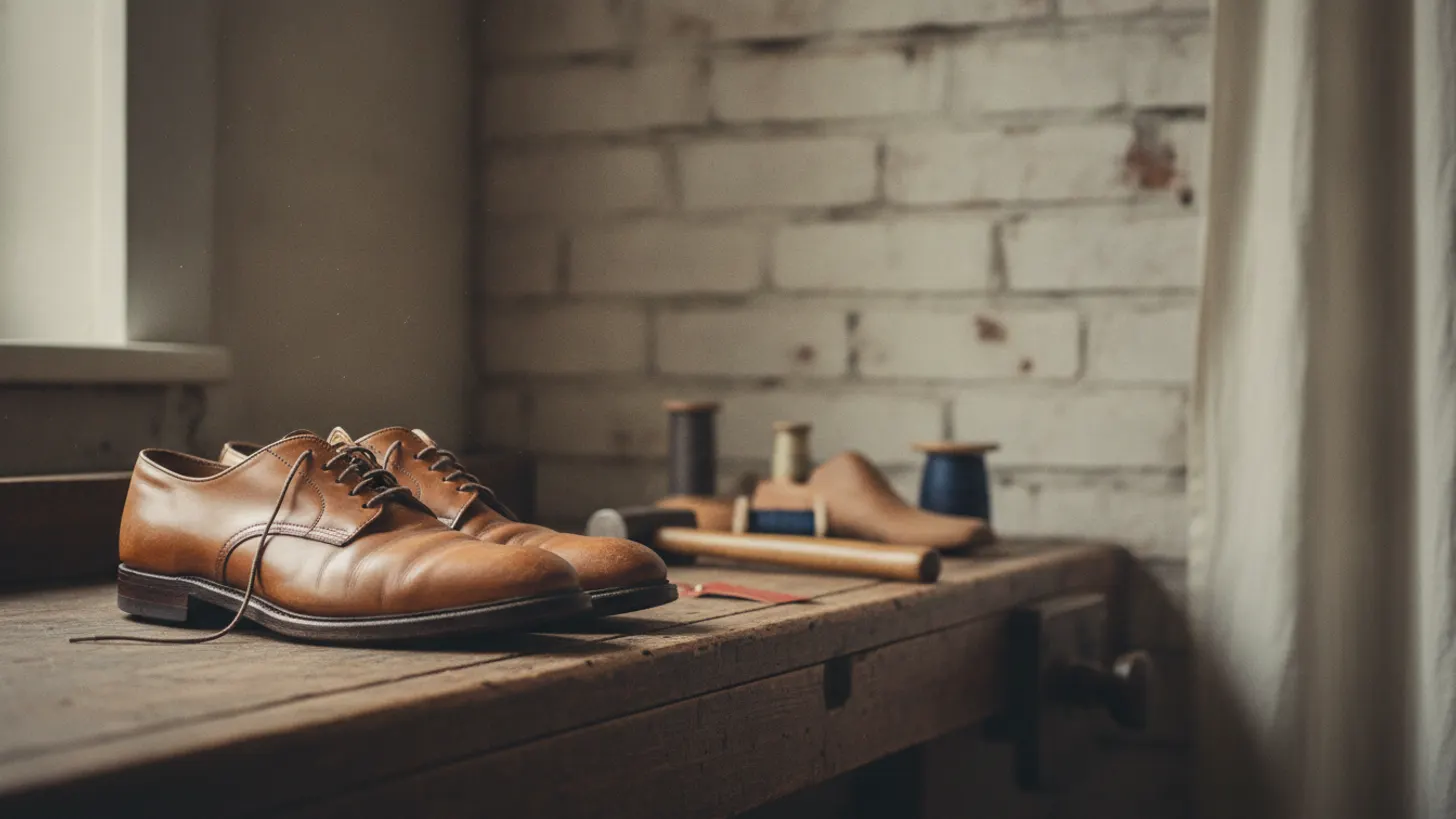
“It says size 7. Will it fit my size 7 foot?” That question arrives with almost every pair of vintage shoes, and the honest answer is usually no, for reasons that have nothing to do with the stamp. Learning how to buy vintage shoes means reading the sole first, then the insole length, then the heel counter. A 1950s 7B sat on a narrower last than a modern 7, and no cobbler undoes dry rot.
How to buy vintage shoes: construction details that signal quality
Turn the shoe over first. Construction decides whether a pair has twenty more years left in it or two: welted soles carry a stitched channel around the outsole edge, Blake soles stitch through the insole, and cemented soles are glued, so adhesive from 1972 is already past its working life.
Goodyear welt: a stitched channel joins upper, insole, and welt, so a cobbler can cut the old stitches and fit a new outsole. Blake stitch: a thinner line sewn straight through the insole, common on Italian-made dress shoes, needing a shop with a Blake machine to resole. Cemented soles can occasionally be reglued, but adhesive rarely holds on leather that has already shrunk. Vintage Fashion Guild's resources help cross-check what a given maker used.
Other tells live in your hands: a steel shank through the sole's waist, a stacked leather heel instead of a hollow block, leather lining instead of raw canvas. The Metropolitan Museum of Art's costume collection shows how construction followed changing dress and manufacturing technology, why a 1930s evening sandal and a 1980s pump fail differently. Rebuildability matters more than era, the same way structure matters more than finish on vintage leather jackets.
How to buy vintage shoes: sizing and how old numbers compare with your foot
Measure, do not trust the stamp: that is most of how to buy vintage shoes that fit. Vintage sizing was never one system, since numbering, width letters, and last shape all shifted by decade and by country. The one figure that travels between eras is insole length, measured heel to toe inside the shoe, in centimetres.
Trace your bare foot on paper at day's end, measure heel to longest toe and the widest point across the ball, then ask the seller for the same two numbers inside the shoe. Most women's shoes from the 1940s through the 1960s sat on narrower lasts than modern equivalents, so going up half a size buys nothing if the problem is width. Our vintage clothing size conversion guide covers the label side of the same problem.
Footwear held by the Museum at FIT makes the shift legible: toe shape, heel pitch, and vamp height all moved with fashion, and each change alters where a shoe touches your foot. Ask for the four measurements below, in order, and sizing stops being guesswork.
| Measurement to request | Why it matters | What to do with it |
|---|---|---|
| Insole length, heel to toe | Only figure comparable across decades and countries | Match against your tracing with room to spare |
| Width across the ball | Vintage lasts often run narrow | Refuse anything narrower than your tracing |
| Heel height and pitch | Changes where your weight lands | Compare with a pair you already wear |
| Outsole wear pattern | Shows the last owner's gait | Avoid deep one-sided wear |
How to buy vintage shoes by material and silhouette
Materials age at different speeds, and that pace drives how to buy vintage shoes that last. Full-grain calf and box calf stay serviceable for decades with feeding; suede and nubuck survive if never soaked; patent leather crazes; reptile and fur trims raise provenance questions you want answered before money moves.
I got this wrong once: an early pair of 1970s platforms I listed as genuine snakeskin turned out, after a buyer's cobbler checked the scale pattern, to be embossed calf. Anything with ambiguous grain now goes to a tannery contact for a second opinion before listing. Good On You publishes plain-language profiles for what leather, suede, and synthetics are and how they behave. For exotic skins and fur trims, ask for era and paperwork, check guidance from Humane World for Animals, and confirm import rules before buying across borders.
On silhouettes, the shapes that keep an audience have documented history. The Victoria and Albert Museum records how T-strap and Mary Jane shoes became prominent early twentieth century styles, and neither has left circulation since. Vogue names the 1970s platform the defining trend of that decade, why a well-made platform with an intact midsole still finds buyers. Loafers, spectator shoes, and western boots hold similar appeal. Reading maker marks the way you would when learning how to date a vintage handbag helps here too.
How to buy vintage shoes without hidden condition problems
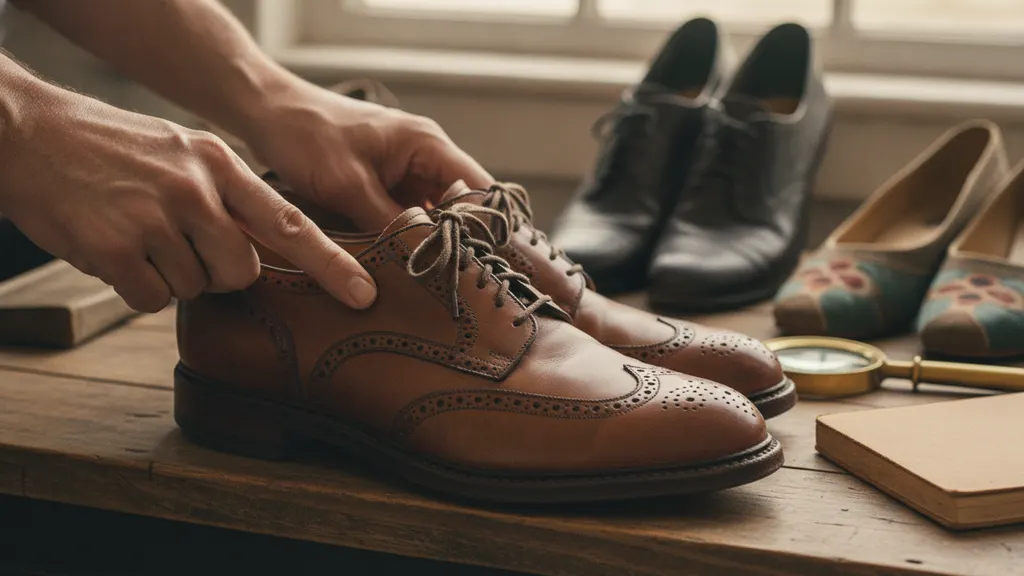
Some faults are cosmetic and some end the shoe. Dry rot: leather that has lost its oils and elasticity, cracking along the fold instead of creasing, powdering at the welt, and sometimes tearing under light pressure. A delaminated midsole and a collapsed heel counter belong in the same group: the structure holding your foot has already failed, and no polish or conditioner reverses it.
On platforms and crepe soles, a delaminated midsole shows as a seam opening between layers, often with crumbling cork inside. A collapsed heel counter folds inward under thumb pressure, letting the foot slide and rolling the ankle. Secondhand shopping coverage from The Cut is honest about this: the best-lit listing photo tells you nothing about the inside of a shoe.
Then there is the repairable tier: worn heel tips, a thin outsole, scuffed toe boxes, dry lining, mild odour. A cobbler handles the first three for less than a new pair, and odour usually responds to airing and the methods in our guide to removing musty smells from vintage clothing. Mould inside the lining is different: treat it as a reason to pass.
How to buy vintage shoes you can clean, store, and wear
Buy the pair you will actually maintain; upkeep is most of how to buy vintage shoes you keep wearing. Leather shoes want brushing after wear, conditioner a few times a year, and air. They do not want radiators, sealed plastic bins, or a soaking. Suede wants a brush and a rubber eraser, nothing wet.
Clean before storing, not after. Brush off grit, wipe with a barely damp cloth, let the shoe dry away from heat for a day, then condition sparingly and buff. Cedar shoe trees hold the shape, cotton bags let leather breathe, and a box with airflow beats sealed plastic. The same principles apply in our guide to storing vintage outerwear: dark, dry, breathable, no pressure on the structure.
For wearing, take a new-to-you pair to a cobbler before the first long day out. A thin rubber half sole and fresh heel tips protect the original leather and cost less than a resole. Rotate pairs so each dries fully, and save high 1970s platforms for evenings rather than pavements. Reporting on dress and textile conservation in Smithsonian Magazine makes the point museums work by: stable conditions and light handling do more than any treatment.
Frequently asked questions
How do I know if vintage shoes will fit me?
Trace your bare foot at the end of the day, measure heel to longest toe and across the ball, then ask the seller for the same two measurements taken inside the shoe. Insole length in centimetres is the only number that compares across decades, because sizing conventions and last shapes moved with fashion. Width is where most pairs fail, not length. Secondhand and resale reporting in The New York Times has covered how much online resale depends on measurement detail. If a seller will not measure, that is your answer, and asking is the fastest shortcut in how to buy vintage shoes online.
Can a cobbler resole old vintage shoes?
Often, and the sole construction decides it. Goodyear-welted shoes can be resoled repeatedly because the stitching that holds the sole on can be cut and replaced. Blake-stitched soles need a shop with the right machine, so call ahead. Cemented soles are glued, and a reglue on shrunken vintage leather rarely lasts a season. Ask the cobbler before you buy, with photographs of the sole edge and the inside of the shoe. Footwear manufacturing coverage in Sourcing Journal is a good primer on how these construction methods differ in practice and in cost.
Which vintage shoes are actually worth collecting?
Shapes with documented history and makers with records behind them. T-strap and Mary Jane styles, 1970s platforms, spectator shoes, and good loafers all keep an audience, and condition drives price more than era does. Fashion and accessories sales at Christie's show the pattern plainly: named makers in wearable condition hold interest, while anonymous pairs with structural damage do not. Buy the intact pair in a common style over the rare pair with a failed midsole. A shoe you can wear is the only kind that stays in circulation.
Is it safe to wear leather shoes that are fifty years old?
Yes, if the structure passed inspection and a cobbler has looked at the sole. Old leather uppers can be fed back to suppleness; failed shanks, dried welts, and collapsed heel counters cannot. Flex the sole, press the heel counter, and check the welt for powder before any long wear. Then add a rubber half sole and fresh heel tips for traction on modern pavements. Vintage wearing advice in Harper's Bazaar makes the practical case: a pair treated as footwear rather than as display survives longer and feels better on the foot.
How can I tell if vintage shoes have dry rot?
Flex the shoe gently and watch the leather. Healthy leather creases and springs back; rotted leather cracks along the fold, powders at the welt, and sometimes tears under light pressure. Check the inside of the vamp, the welt channel, and the edges of the lining, which dry out first. A chalky grey bloom and a dusty smell both point the same way. Construction and condition notes from the Vintage Fashion Guild are a useful cross-check on what normal ageing looks like for a given material and decade.
What should I ask a seller before buying vintage shoes online?
Six things: insole length and ball width in centimetres, sole construction, a side photograph of the sole and heel, the condition of the lining and heel counter, any repairs already done, and the return policy. Ask whether the shoes have been worn since cleaning and whether they smell. Styling coverage at Who What Wear is good on which silhouettes suit current wardrobes, but fit and structure come first. Those questions are most of how to buy vintage shoes remotely without a return.